Is It Safe to Wear a Water-Resistant Watch While Showering?
Are you curious about the safety of showering with your water-resistant timepiece? You might think it's harmless, but this seemingly innocent activity could secretly damage your watch. Even though your watch appears to withstand swimming or rain, a simple shower presents challenges unaccounted for in controlled laboratory testing.
The Challenges Shower Conditions Present to Your Watch
Your everyday shower poses multiple hurdles, even for the most water-resistant watches. The test conditions during certification often don't overlap with the dynamic, hot, and complex shower environment in your bathroom:
- Wide temperature fluctuations make watch components expand and contract repeatedly. This thermal stress weakens the rubber gaskets and seals, reducing their ability to keep water out.
- Hot water reduces water's surface tension, making it easier for water molecules to penetrate tiny spaces. This means hot shower water is more likely to enter your watch than cold laboratory water.
- The pressure from shower heads can exceed the watch's design limits. While water resistance measures static pressure, the dynamic pressure from shower water can simulate greater water depths.
- Steam can penetrate where liquid water can't. Gaseous water molecules might still find their way into your watch, especially considering temperature changes create pressure differences.
- Condensation forms when your watch cools after leaving the shower. Any moisture inside can condense on the internal crystal and components, leading to potential rust and damage over time.
The hazardous shower environment causes gradual damage, often not immediately visible. This misleading sense of security can lead to problems down the line.
The Risk Shower Products Pose to Your Watch Over Time
Various cleaning products we use during showers present an additional risk factor many overlook. These chemicals can decimate watch components in ways that pure water doesn't:
- Soaps, shampoos, and body washes destroy oils and grease using chemicals that harm the rubber gaskets and seals over time, causing them to become brittle or lose elasticity.
- Shower products accumulate residue in the watch's small crevices, potentially increasing the chance of moisture intrusion beyond the watch's water resistance rating.
- Chemical residues persist long after towel-drying, continuing to damage the watch seals and components.
- Special hair or skin treatments may contain stronger chemicals or oils that can deteriorate certain watch materials.
While showering with your watch occasionally won't result in catastrophic failure, the accumulated effects of constant exposure erode water resistance. Even high-end dive watches aren't impervious to shower products over time.
Which Watches are Actually Safe for Showering?
While most watches should ideally be removed before showering, some perform better in shower conditions than others. However, even these models require caution, as no watch is immune to shower hazards:
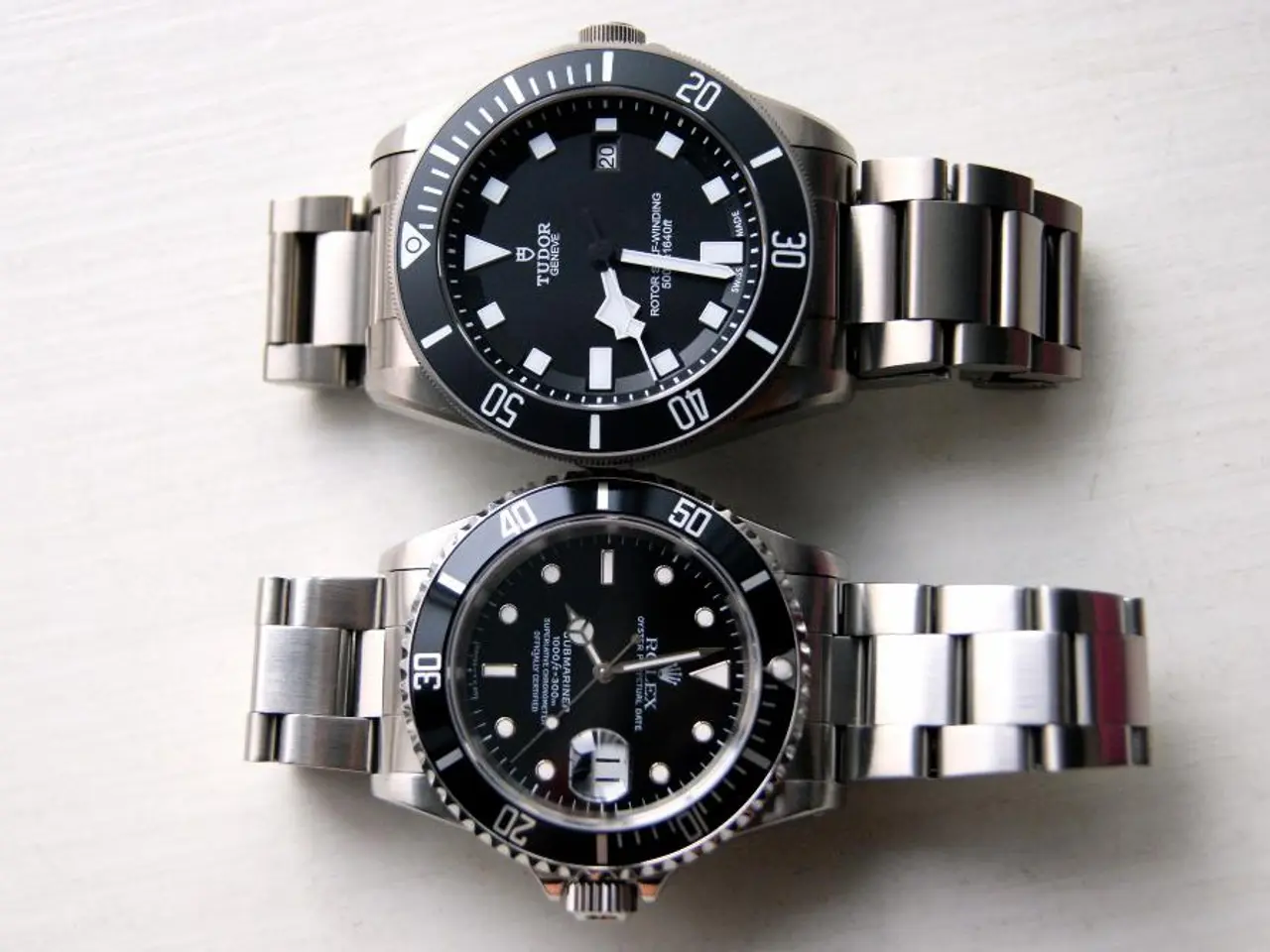
- Dive watches with 200m+ water resistance and more rigorous testing undergo laboratory conditions that mimic real-world scenarios better. Look for watches that meet the ISO 6425 standard for condensation and seal integrity under pressure.
- Modern digital sports watches and fitness trackers have fully sealed cases with fewer points of water entry. Many advanced models from brands like Garmin, Suunto, and G-Shock are designed with showers in mind.
- Watches with screw-down crowns provide better sealing around the crown than push-pull examples, making them more resistant to temperature changes.
- Newer smartwatches like the Apple Watch Series 2 and later allow showering according to manufacturer guidelines, though they still suggest avoiding soaps and shampoos.
Despite these features, watch experts and manufacturers generally advocate for removing your watch before showering whenever possible. Shower scenarios with heat, chemicals, and pressure fluctuations test the limits of even the most hardy watches.
Post-Shower Watch Care to Minimize Damage
If you must shower with your watch or accidentally wear it during a shower, take the following precautions to help lessen potential damage and extend your timepiece's life:
- Rinse your watch with clean, cool water to eliminate any soap or chemical residue.
- Dry your watch thoroughly with a soft, clean cloth, focusing on areas where water might accumulate.
- Shower with cooler water to reduce gasket stress.
- Ensure the crown is correctly secured or screwed down (if applicable) before bathing.
- Avoid operating watch functions while showering as this can allow water to enter the watch.
- Schedule regular maintenance, including water resistance testing and gasket replacement, annually or as needed.
- Watch for indications of water intrusion such as condensation, moisture spots, or altered timekeeping accuracy. Early detection can prevent further harm to the watch's movement.
Though these practices won't entirely eliminate risks, they can help protect your investment until professional maintenance is possible. The few moments it takes to remove and store your watch are worth the potential savings in repair costs and extended lifespan of your watch.
Conclusion
Despite the convenience of keeping your water-resistant watch on during your morning shower, the evidence suggests this action poses unnecessary dangers to your watch. The shower's unique combination of heat, soaps, and steam can cause havoc on watch gaskets and seals, wearing them down over time and reducing the water resistance. Even watches rated for deep diving aren't entirely safe from the slow degradation brought on by consistent shower exposure.
The safest tactic remains removing your watch before showering whenever achievable. Embrace caution when showering with your most treasured timepiece, prioritizing the preservation and longevity of your investment with every shower.
- In the dynamic and complex shower environment, hot water, steam, and pressure fluctuations present challenges not accounted for in controlled laboratory testing, which can cause gradual damage to water-resistant watches.
- Various shower products, like soaps, shampoos, and chemical residues, can harm the rubber gaskets and seals of watches, increasing the risk of moisture intrusion beyond the watch's water resistance rating, thus reducing its longevity.